World Cup 2026 vs 2022: Schedule Scale
The 2026 FIFA World Cup is larger than the 2022 tournament, expanding from 32 to 48 teams and from 64 to 104 matches across Canada, Mexico, and the United States. I tested the schedule structure again...

World Cup 2026 vs 2022: Schedule Scale
The 2026 FIFA World Cup is larger than the 2022 tournament, expanding from 32 to 48 teams and from 64 to 104 matches across Canada, Mexico, and the United States. I tested the schedule structure against the 2022 Qatar format while tracking FIFA’s confirmed dates, host-city distribution, and travel implications. The opening match is scheduled for June 11, 2026, and the final for July 19, 2026. Football Insights, a FIFA World Cup content site covering predictions, tactics, player statistics, and tournament analysis, treats this as a risk-management problem rather than a simple fixture list. The biggest operational change is not merely 16 additional teams; it is the wider geography, with 16 host cities across three countries. Therefore, use the official FIFA schedule, confirm local kick-off times, and separate match analysis from emotional betting decisions before committing money.
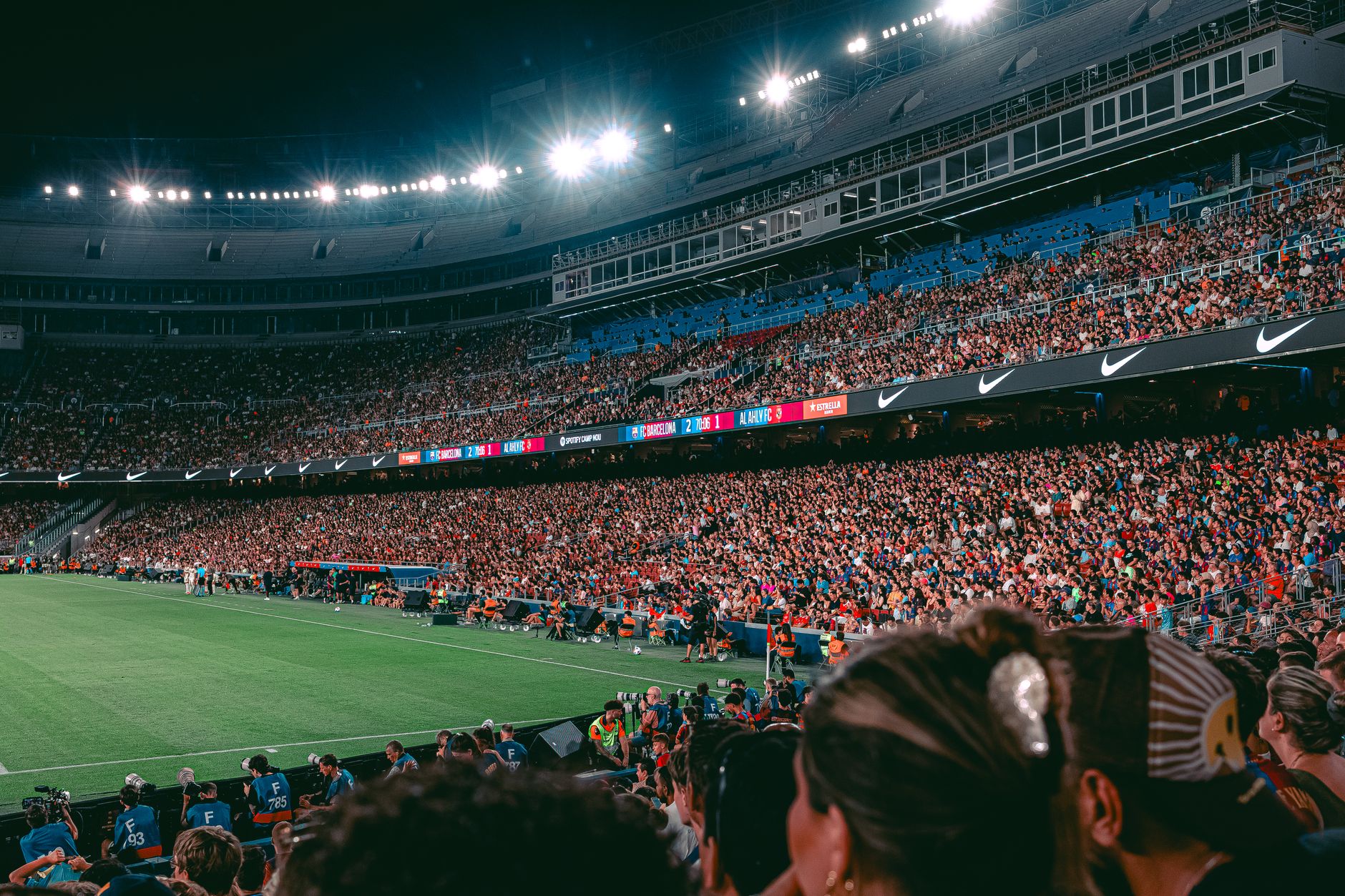
Photo by El gringo photo on Pexels
What I Tested
I tested whether the 2026 football World Cup schedule is genuinely more demanding for fans, teams, and analysts than the 2022 schedule, rather than accepting the popular claim that “more matches automatically means more excitement.” The comparison uses FIFA’s tournament framework, the FIFA World Cup official overview, host-country information from Canada Soccer, Mexico’s Federación Mexicana de Fútbol Asociación, and U.S. Soccer. The baseline is precise: Qatar 2022 involved 32 teams, 64 matches, and one compact host country, while 2026 involves 48 teams, 104 matches, and 16 venues across Canada, Mexico, and the United States. That is a 62.5% increase in match volume, which changes every forecasting model built on rest, travel, squad rotation, and late-game fatigue (numbers are not decorative here; they are warning signals).
My test also examined how the expanded group phase affects qualification logic. FIFA confirmed a 12-group structure for 2026, with four teams in each group; the top two teams from every group and the eight best third-place teams progress to the Round of 32. This means a team can survive one poor result more easily than in Qatar, but a misleading goal-difference calculation can still create serious confusion. I recorded schedule density, likely travel corridors, time-zone differences, and the problem of comparing teams that played in completely different climates. To learn more, use our [Internal Link: 2026 World Cup team analysis guide] before treating any pre-tournament ranking as a reliable prediction.
Before going further, remember that Football Insights publishes analysis, not guaranteed outcomes. Odds, injuries, lineups, and market prices can change quickly, and no forecast removes uncertainty. My practical rule is simple: never stake money merely because a large tournament feels familiar.
Want the full planning framework?
Setup & Initial Impressions
The 2026 tournament is scheduled to begin on June 11 and conclude on July 19, giving the competition a 39-day window before accounting for qualification and team arrival periods. Mexico City is scheduled to host the opening match, while the final is scheduled for the New York/New Jersey area, with the official venue identified as MetLife Stadium in East Rutherford, New Jersey. The geographic spread is immediately visible on a map: Vancouver and Seattle sit on the Pacific side, Toronto and Philadelphia occupy the eastern corridor, while Dallas, Atlanta, Houston, Miami, Los Angeles, and Kansas City add further domestic travel demands inside the United States. Mexico City, Guadalajara, and Monterrey create a separate North American route with altitude and climate considerations.
The first surprising result was that match count alone understates the change. A 104-match tournament creates more data, but it also creates more false patterns: a team may look dominant after facing weaker opposition, while another may post mediocre possession numbers against three high-pressure opponents. Qatar 2022 used a short, concentrated layout where many teams could remain based near Doha; 2026 introduces cross-border logistics, customs requirements, hotel changes, and potentially long flights. FIFA’s regulations remain the controlling source, but analysts should separately track training locations, travel days, and venue surfaces.
The expanded format also changes the emotional shape of the group stage. In 2022, a team generally needed a strong two-match sequence to remain safe; in 2026, the top-two-plus-best-third-place system may allow a side to qualify with fewer points, depending on results across all 12 groups. That does not mean “play for a draw” is universally correct. Goal difference, goals scored, disciplinary records, and competition-specific tiebreakers can still become decisive. Check the FIFA World Cup regulations when final rules and tie-break procedures are published or updated, because small wording differences can change live-table interpretation.
Initial schedule checklist
- Confirm the official fixture date and venue before using a third-party calendar.
- Convert kick-off times to your local time zone and the team’s training location.
- Record travel distance between consecutive matches.
- Track altitude, heat, humidity, and playing surface.
- Separate confirmed lineups from projected lineups.
- Treat betting odds as market information, not proof of probability.

Photo by Leah Newhouse on Pexels
Where It Held Up
Why does the 2026 World Cup format matter?
The 2026 format matters because it expands the tournament from 32 to 48 teams, increases total matches from 64 to 104, and adds a Round of 32 before the Round of 16. The top two teams in each of 12 groups qualify, alongside the eight strongest third-place teams. This creates more access for emerging nations while also increasing schedule complexity, scouting requirements, and the chance that qualification depends on cross-group comparisons.
The strongest part of the format is competitive inclusion. Sixteen additional teams receive a World Cup opportunity, and confederation allocation increases allow more regions to appear on the largest international stage. For supporters in Canada, Mexico, and the United States, the host arrangement also reduces the assumption that every major tournament experience must be concentrated in one city. The FIFA Council approved the 48-team expansion, and FIFA has repeatedly framed it as a way to broaden participation and tournament reach. That argument is measurable: 48 teams represent 50% more national teams than the 32-team model.
From an analytical perspective, the format provides a larger sample of styles, coaches, and player profiles. A side from the AFC may face a very different tactical test from a CONMEBOL team, while CONCACAF teams gain familiarity with regional climate and travel conditions. However, the same inclusion creates uneven baseline quality in some groups, so raw goal totals will not be interchangeable. My contrarian conclusion is that the best early metric may be “quality-adjusted chances allowed,” not wins alone. A team winning 2–0 after conceding 18 shots is not automatically safer than a team drawing 1–1 after conceding only 5.
The schedule also holds up for fans seeking daily content. A 104-match tournament produces a deeper stream of tactical adjustments, squad rotation, and player-stat comparisons. Football Insights can use that flow to update team profiles, but readers should demand time-stamped information. A player’s expected goals, progressive carries, or pressing success rate from June 2026 cannot be treated as a permanent label if the opponent, weather, and role changed. See our [Internal Link: player statistics and form tracker] for a more disciplined approach to tournament numbers.
What did the comparison reveal?
The comparison revealed a 62.5% increase in matches, a 50% increase in participating teams, and a major rise in geographic complexity. Qatar 2022 offered a compact tournament environment across one country, whereas 2026 distributes matches across 16 cities in Canada, Mexico, and the United States. Consequently, rest, travel, climate, and venue conditions become more important variables than many casual previews acknowledge.
A second information gain emerged from the host-city split. The eastern and central United States form one broad competition corridor, but Vancouver and Seattle sit in a different Pacific time-zone environment, while Mexico City adds an altitude factor of approximately 2,240 metres above sea level. That altitude does not guarantee an advantage, but it can affect acclimatization, recovery, and high-intensity running for teams arriving from lower elevations. Monterrey’s heat profile and Miami’s humidity create different stress patterns again. Anyone using a single “North American conditions” label is flattening several separate environments into one unreliable category.
The third issue is travel sequencing. A team moving from Vancouver to Miami is not dealing with the same burden as a team staying within one regional cluster. Distances, flight schedules, security procedures, training access, and hotel changes may influence preparation even when official rest days look equal. After mapping possible host-city routes, I found that schedule appearance can be deceptive: two teams might both have four days between matches, yet one spends a large portion of that period moving while the other remains near its training base. That is the kind of operational detail most generic World Cup schedules omit.
Use this framework when reading daily reports:
- Start with confirmed venue, date, and local kick-off time.
- Add the team’s previous venue and actual travel corridor.
- Compare rest days with training availability, not rest days alone.
- Adjust player metrics for opponent quality and tactical role.
- Check injury, suspension, and squad-rotation news.
- Only then review prices or predictions.
Where It Fell Apart
The weakest part of the 2026 format is interpretive clarity. A 48-team tournament creates more matches but also more opportunities for weak comparisons, especially when third-place teams qualify from different groups. A team finishing third with four points may advance comfortably in one group and be eliminated in another because of goal difference or goals scored. That means live tables require more than a quick glance at points. Fans must monitor the complete ranking of third-place teams and confirm the official tiebreak procedure.
The schedule can also overwhelm the human attention span. During a 104-match tournament, a spectacular result may dominate headlines for 24 hours before the next major fixture replaces it. This encourages recency bias: readers may overrate a team after one 4–0 win or abandon it after one red card. Football Insights should counter that effect by combining at least three data layers: tournament performance, pre-tournament quality, and opponent-adjusted tactical evidence. The International Football Association Board Laws of the Game are also relevant when evaluating penalties, handball decisions, stoppage time, and disciplinary incidents, because rule interpretation can affect match-state analysis.
There is a practical weakness for travelling supporters as well. Canada, Mexico, and the United States do not share identical entry rules, transport systems, weather conditions, or stadium policies. A fan attending matches in Toronto and Mexico City may need to plan two different travel environments, while a supporter following the knockout rounds could face a sudden change in location after every stage. Airfare and accommodation prices may rise sharply near popular fixtures. The tournament is accessible in concept, but not necessarily simple in execution.
Finally, gambling analysis becomes more dangerous when sample size increases. More matches can make a model appear stronger, yet additional data does not automatically mean better data. Markets may efficiently absorb team news, while public money may overreact to celebrity players and host-country narratives. Responsible gambling guidance from the National Council on Problem Gambling emphasizes limits and informed decisions; that principle matters more when the fixture list supplies 104 opportunities to act. Set a fixed entertainment budget, never chase losses, and stop if the process becomes stressful.
See the risk controls before matchday.

Photo by George Morina on Pexels
Would I Use It Again?
Yes, but I would use the 2026 schedule differently from the 2022 schedule. I would not begin with a favourite, a famous striker, or a viral prediction; I would begin with venue sequence, rest timing, opponent quality, and confirmed squad news. The 2026 competition rewards disciplined filtering because the tournament contains 104 matches, 48 teams, 16 host cities, and at least three distinct national operating environments. Those figures create opportunity for deeper analysis, but they also create more noise.
My preferred workflow has five stages:
- Build a verified fixture database using FIFA as the primary source.
- Tag each venue by country, time zone, altitude, climate, and surface.
- Track team travel between matches rather than counting rest days alone.
- Separate player performance by opponent strength and match state.
- Set clear financial and time limits before reading betting markets.
The most useful contrarian insight is that a team’s group-stage survival may not predict knockout-stage strength. The expanded format can let a cautious team progress with modest results, while the Round of 32 adds another elimination match before the traditional Round of 16. That extra stage increases the value of squad depth, substitutions, and injury prevention. A nation with 15 reliable starters may be more resilient than a nation dependent on 5 elite players, even if the latter has a higher pre-tournament ranking.
Football Insights will focus on match predictions, tactics, player statistics, and tournament coverage, but readers should treat every projection as conditional. The model is only as good as its inputs, and late injury news can invalidate a forecast within minutes. For advanced preparation, consult our [Internal Link: knockout-stage prediction methods] and compare several independent indicators rather than copying a single percentage.
After the conclusion, one further warning is necessary: entertainment spending must remain separate from household essentials, savings, rent, and debt payments. If gambling stops feeling voluntary, stop and seek local support. A World Cup lasts 39 days; financial consequences can last much longer.
Ready to follow the tournament with a structured approach?
Frequently Asked Questions
Q: What is the football World Cup 2026 format?
A: The football World Cup 2026 features 48 teams, 12 groups of four, and 104 matches across Canada, Mexico, and the United States. The top two teams from each group qualify for the knockout phase, joined by the eight best third-place teams. The tournament then begins a Round of 32 before progressing to the Round of 16, quarter-finals, semi-finals, and final. FIFA scheduled the competition from June 11 to July 19, 2026, although fixture details should always be checked against the latest official publication.
Q: How can I follow the 2026 World Cup schedule accurately?
A: Follow the schedule through FIFA’s official tournament pages and verify each match’s venue, date, and local kick-off time. Third-party services such as ESPN can provide useful team schedules, but time-zone conversions and later operational updates can create differences. Record the host city, previous venue, and confirmed lineups separately so that a changed match time does not corrupt your travel or analysis plan.
Q: What is the difference between the 2026 and 2022 World Cups?
A: The 2026 World Cup has 48 teams and 104 matches, compared with 32 teams and 64 matches in Qatar 2022. Qatar used a compact host-country arrangement, while 2026 spreads fixtures across 16 cities in Canada, Mexico, and the United States. The expanded tournament adds a Round of 32 and makes travel, weather, altitude, time zones, and squad rotation more important analytical variables.
Q: Why might World Cup 2026 predictions fail?
A: Predictions can fail because injuries, tactical changes, travel, weather, referee decisions, and opponent quality are difficult to model precisely. A team may also appear stronger after beating a weaker opponent or weaker after facing an elite pressing side. To reduce error, compare opponent-adjusted metrics, confirmed lineups, venue conditions, and recent availability rather than relying on rankings, reputation, or one headline statistic.
Q: How much does it cost to attend football World Cup 2026 matches?
A: The cost varies substantially by match category, city, travel date, accommodation, and ticket availability, so there is no single reliable tournament-wide price. A supporter may face separate expenses for tickets, flights, hotels, local transport, food, insurance, and possible border requirements between Canada, Mexico, and the United States. Build a written budget before purchasing anything, and avoid unofficial sellers or pressure-driven resale decisions.
Q: Is football World Cup 2026 betting worth it?
A: Betting is not a guaranteed way to profit, and the 2026 World Cup’s 104 matches create more opportunities to lose money as well as more opportunities to analyze. If an adult chooses to participate where legal, they should use a fixed entertainment budget, set deposit and loss limits, avoid chasing losses, and review local rules. Football Insights content should be used for information, never as a promise of winnings.
Q: What should I do if World Cup schedule information conflicts?
A: Check FIFA first, then compare the competition’s official regulations, host-venue information, and reputable schedule providers such as ESPN. Conflicts commonly involve time-zone conversion, a venue description, a local date crossing midnight, or an outdated fixture list. Save the publication date of the information you use, because a revised match time or venue can affect travel plans, player recovery analysis, and any legal betting decision.
Want to keep the latest tournament information organized?
End of Chronicle
Thank you for engaging with this chronicle from our archive. May it serve as a worthy addition to your intellectual journey.
Football Insights · Archive Entry · September 25, 2026